Early Signs Your Child Has Myopia

Early Signs Your Child Has Myopia

Early Signs Your Child Has Myopia

Early Signs Your Child Has Myopia


Childhood myopia is becoming increasingly common, especially as screen time increases and outdoor activity decreases. This vision condition makes it difficult to see objects clearly at a distance and often develops gradually, making it easy to miss. Learning the early signs of myopia empowers parents to seek timely eye exams and preventive care.
What Is Myopia?
Myopia is a vision condition in which distant objects appear blurry while close-up vision remains clear. It occurs when the eye grows too long from front to back or when the cornea is too curved, causing light to focus in front of the retina instead of directly on it. Myopia often develops during childhood and can worsen as a child grows, especially without proper monitoring and management.
Early Signs Your Child May Have Myopia
Children don’t always realize their vision is blurry, so myopia often goes unnoticed without an eye exam. Parents should watch for subtle changes in behavior or school performance that may signal a vision problem. Common early signs of myopia include squinting to see distant objects, sitting very close to the TV, holding books or devices unusually close to the face, frequent headaches or eye strain, and complaints of blurry vision when looking at the board in school. Some children may also rub their eyes often or seem less interested in activities that require distance vision, such as sports or outdoor play.
Why Regular Comprehensive Eye Exams Are Essential
Because myopia can progress quickly during childhood, regular eye exams are critical - even if your child has not complained about their vision. Many vision changes happen gradually, and children often adapt without realizing something is wrong. Comprehensive eye exams allow your eye doctor to detect myopia early, track changes over time, and recommend appropriate treatment. Early diagnosis not only improves vision but also reduces the risk of developing high myopia, which is associated with more serious eye conditions later in life.
What Happens If My Child Is Diagnosed With Myopia?
If your child is diagnosed with myopia, there are effective options available beyond standard glasses or contact lenses. Myopia management treatments are designed to slow the progression of myopia, not just correct vision.
One option is orthokeratology (Ortho-K), which uses custom-designed rigid contact lenses worn overnight. These lenses gently reshape the cornea while your child sleeps, allowing for clear vision during the day without glasses or contacts and helping slow myopia progression.
Another effective approach is multifocal soft contact lenses, which are worn during the day and designed to reduce eye growth that contributes to worsening myopia. These lenses are comfortable, easy to adapt to, and clinically proven to help manage myopia in children.
Our eye doctor will consider your child’s age, lifestyle, prescription, and eye health to determine the most appropriate myopia management plan.
Schedule Your Child’s Eye Exam Today
Myopia is a progressive condition that can impact your child’s vision for life if left unmanaged. Recognizing the early signs and scheduling regular eye exams are key steps in protecting your child’s eyesight. With today’s advanced myopia management options, early intervention can make a meaningful difference in preserving long-term vision health.
If you’ve noticed signs of vision changes in your child, schedule a pediatric eye exam at Gregor Eye Care to learn more about personalized myopia management options. Visit our office in Overland Park, Kansas, our website, or call or text (913) 685-0212 to book an appointment today.


Contact Us
We are located inside the Central Bank of the Midwest 15100 Metcalf Ave, Suite 101
Overland Park, KS 66223
Overland Park, KS 66223
Call or Text: (913) 685-0212
Fax Number: (913) 246-0692
Emergency/After Hours (913) 742-3825
- Monday9:00 AM - 5:00 PM
- Tuesday8:00 AM - 4:00 PM
- Wednesday9:00 AM - 5:00 PM
- Thursday9:00 AM - 5:00 PM
- Friday8:00 AM - 1:00 PM
Closed on 8/28, 9/4, 9/11, 9/25, 10/2 - SaturdayClosed
- SundayClosed
*Lunch from 2-3pm
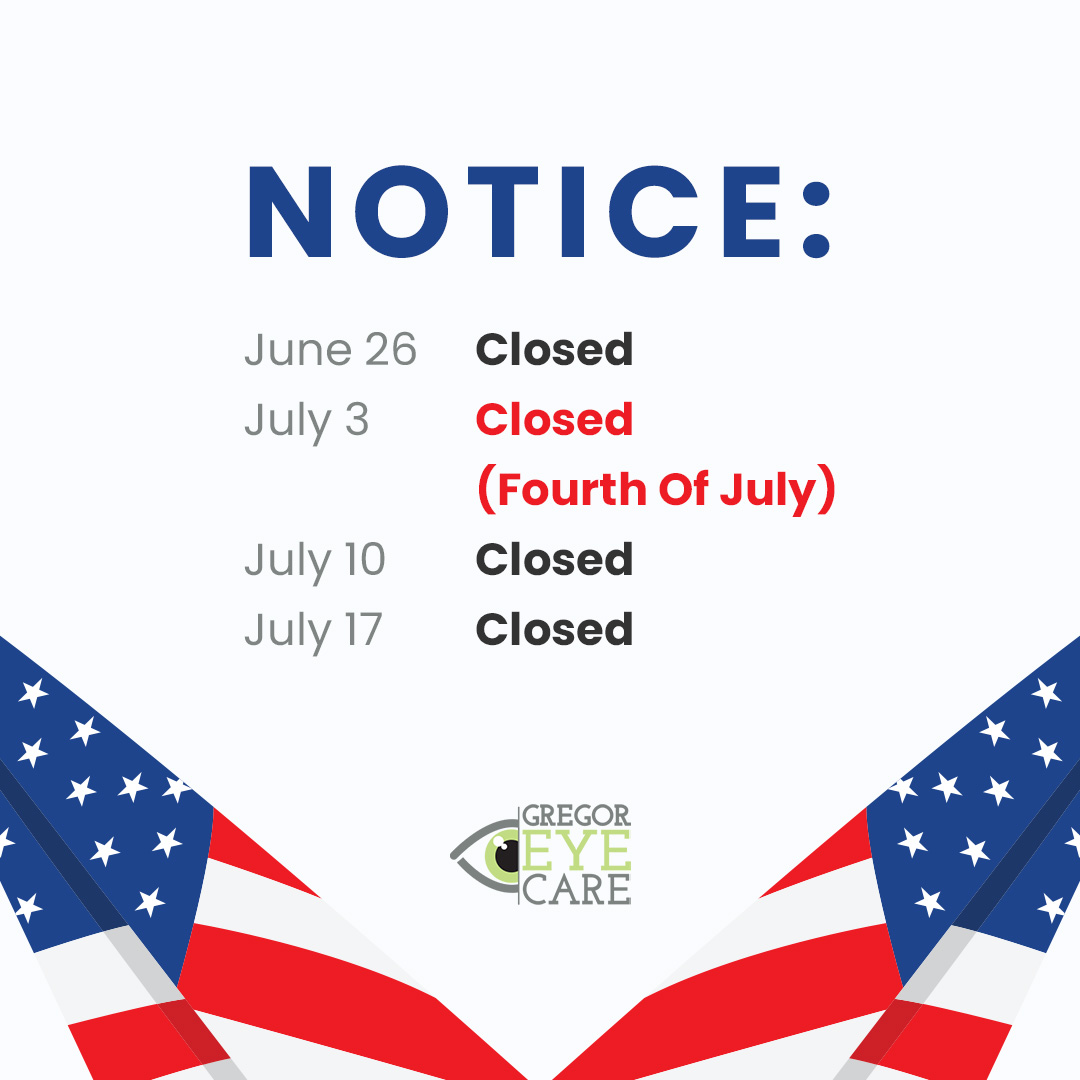
- The office will be closed
July 10
July 17
July 24
Aug 3-5th

Powered by